

When you explore Japanese food, you’ll often encounter sushi, nigiri, and onigiri. Understanding the distinct differences between these three popular dishes enhances your appreciation of Japanese cuisine. They may look similar at first glance, but each has its own unique characteristics. Let’s delve into their differences.
Sushi
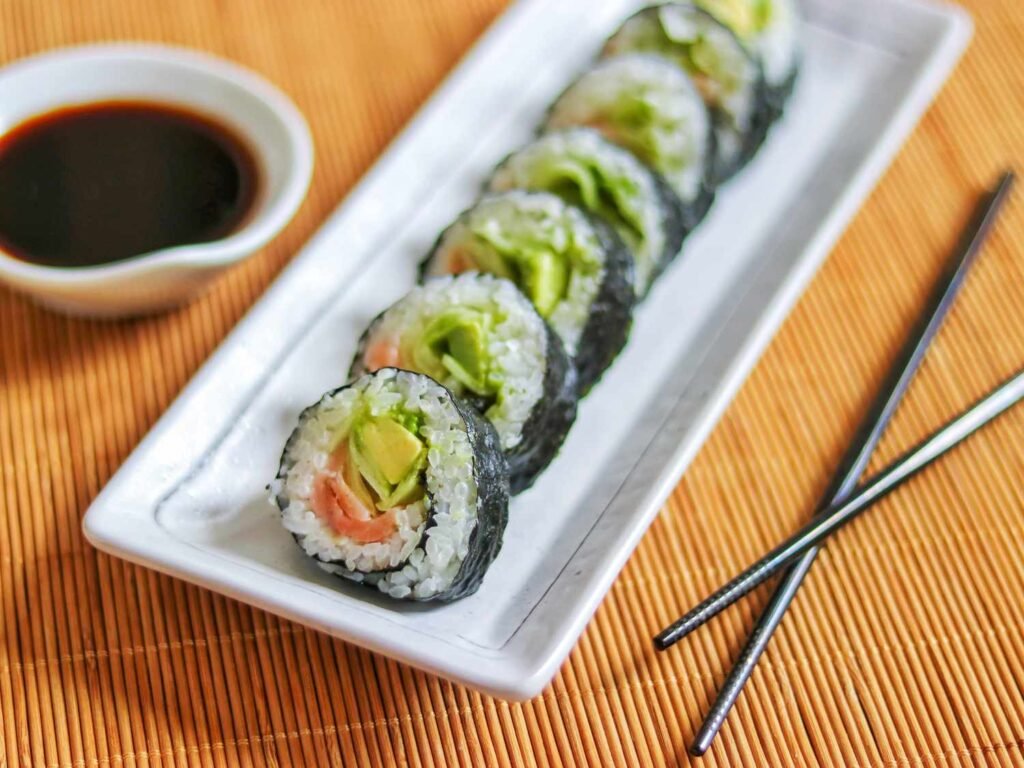
Sushi, in its most basic form, refers to vinegared rice that chefs combine with various ingredients. These ingredients include seafood, vegetables, and sometimes eggs. The vinegared rice forms the foundation of sushi, and the toppings, known as “neta,” add diverse flavors and textures. Sushi is a broad category, and while people often associate it with raw fish, it encompasses a wide range of preparations.
Nigiri
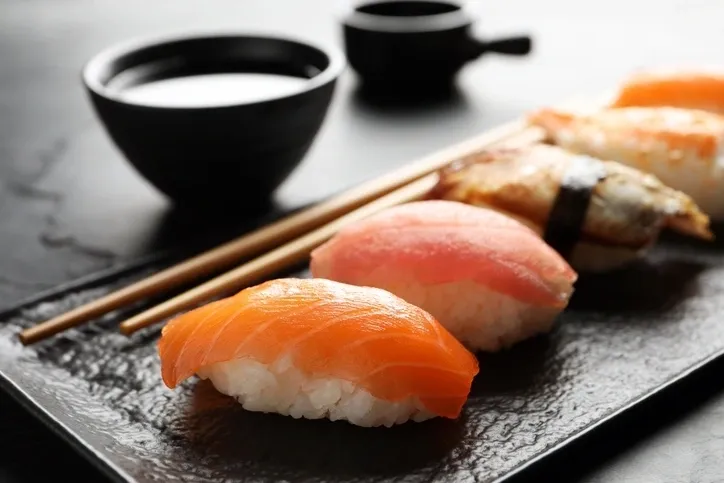
Nigiri is a specific type of sushi. Chefs hand-press a mound of vinegared rice and top it with a slice of fish or other seafood. The name “nigiri” literally means “hand-pressed,” highlighting the technique chefs use. Sometimes, they place a small dab of wasabi between the rice and the topping. Nigiri is known for its simplicity, allowing the pure flavors of the fish to shine.
Onigiri
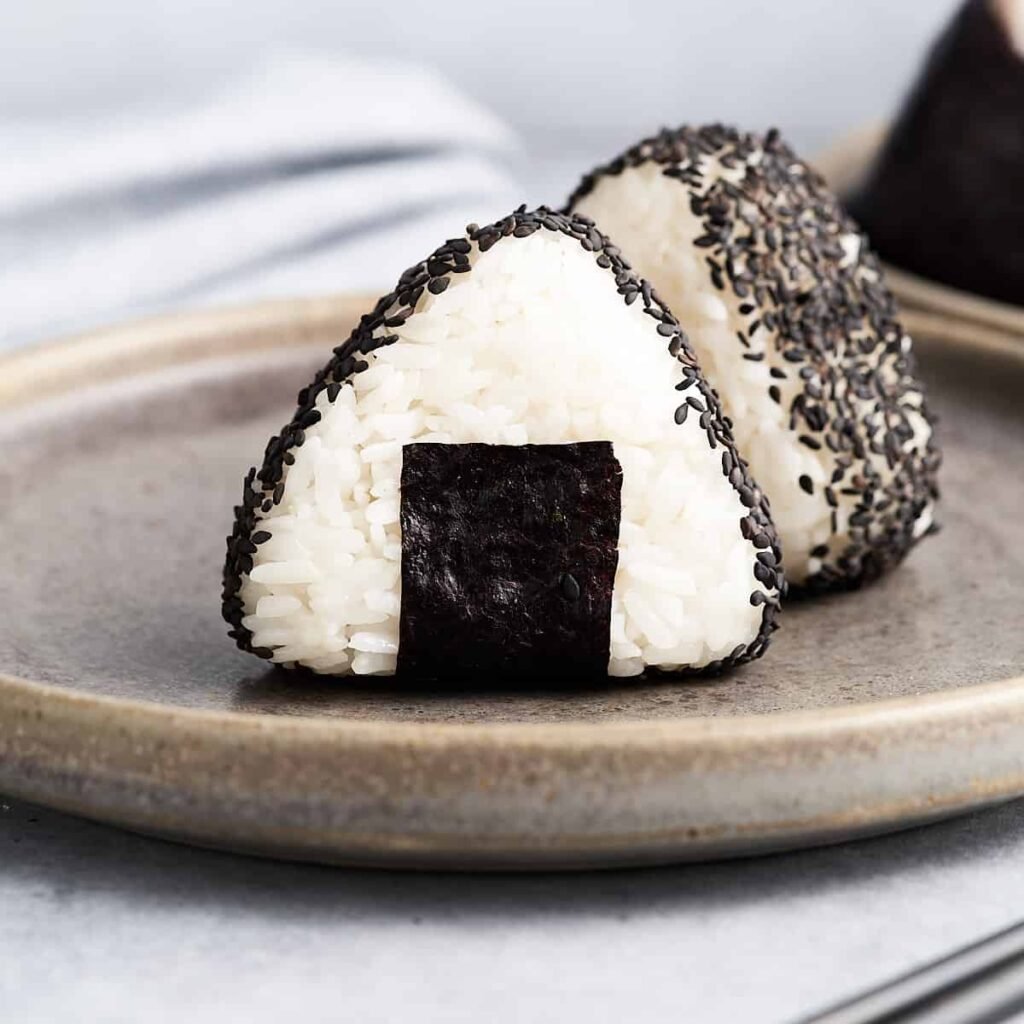
Onigiri, or rice balls, are a common and portable snack in Japan. They differ from sushi and nigiri. People typically shape onigiri into triangles or cylinders and often fill them with ingredients like pickled plums, tuna, or other ingredients. Unlike sushi and nigiri, onigiri does not use vinegared rice. Instead, people often wrap the rice in nori (seaweed). Onigiri is a convenient and versatile snack, easy to carry and enjoy in various settings.
The Art of Japanese Rice and Tradition at Nigiri Station
At Nigiri Station, we are dedicated to showcasing the rich diversity of Japanese cuisine, including sushi, nigiri, and onigiri. We prepare our onigiri with care, using high-quality ingredients to maintain the authentic taste of this traditional snack. Our commitment to tradition ensures that each rice ball reflects the true essence of Japanese culinary artistry. For more information about Japanese culinary traditions, click here: Just One Cookbook.
Understanding the Nuances of Sushi, Nigiri, and Onigiri
Knowing the distinctions between sushi, nigiri, and onigiri enhances your appreciation of Japanese cuisine. Each dish has its own unique history and preparation method. Therefore, whether you prefer the delicate simplicity of nigiri, the variety of flavors in sushi, or the portability of onigiri, understanding their differences allows you to fully savor the culinary experience.
Try the Authentic Flavors of Sushi, Nigiri, and Onigiri at Nigiri Station
Experience the true taste of Japanese rice dishes at Nigiri Station. Our chefs are passionate about creating authentic and delicious sushi, nigiri, and onigiri. Visit us today to embark on a culinary journey through Japan. Visit Nigiri Station to learn more about their menu.